



Anticipatory Bail Lawyer in Thane
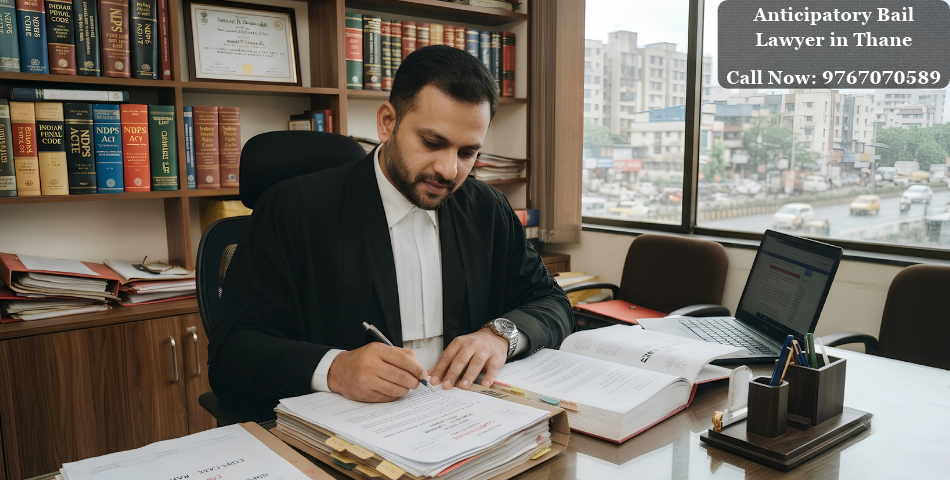





Anticipatory Bail Lawyer in Thane | Law Mantri
A sudden police call or news of a registered complaint can make arrest feel only hours away. Engaging an Anticipatory Bail Lawyer in Thane lets you seek court protection before any custody begins. A timely consultation about your next step often decides how much room you still have to act.
Pre-arrest protection works as a direction that a person be released on bail if arrested in connection with a named offence, as outlined under anticipatory bail provisions. The court weighs the accusation, your background, and your willingness to cooperate before granting relief. A careful lawyer arranges these points so they reach the bench clearly.
Law Mantri helps you compare criminal advocates across the Thane region by practice area, courtroom exposure, and the kind of matter handled. Reading each profile closely saves precious hours that can go into gathering papers and facts. You can also learn how our directory works before choosing counsel.
About Us
Law Mantri is an online legal directory built to connect people in Thane, Mumbai, and nearby districts with criminal defence counsel they can rely on. Our listings highlight advocates who regularly handle bail applications, Sessions Court hearings, and High Court petitions. Each profile aims to answer your suitability questions before you make that first call.
- Bail-focused listings: Advocates are grouped by regular, anticipatory, and interim bail work rather than vague general practice claims.
- Clear forum details: Profiles state whether counsel appear before the Thane Sessions Court, the Bombay High Court, or both.
- Side-by-side comparison: You can weigh several advocates together instead of depending on a single referral.
- Simple first enquiry: A short message directs you to the right advocate without lengthy forms.
If you are searching for an experienced anticipatory bail lawyer in Thane, look for someone who separates a genuine fear of arrest from general worry about the case. Our directory makes that difference easier to see, so you can decide with a calmer mind.
Situations That Make Pre-Arrest Protection Necessary
People usually seek this remedy after receiving a notice to appear, learning that an FIR has been lodged, or hearing that a relative or rival has filed a complaint against them. The fear of arrest must rest on a real prospect of detention in a non-bailable offence, not on vague anxiety. Speaking to counsel early helps establish whether the remedy truly fits your facts.
Our platform also lists advocates who handle regular bail, quashing petitions, interim protection pleas, and appeals that commonly follow the main application. Browsing these related categories helps you shortlist counsel whose background matches your exact situation.
From FIR to Court Order: How Pre-Arrest Bail Moves Forward
The process generally begins with a close study of the FIR or complaint, followed by drafting the application, filing it before the competent court, and securing a hearing date. The public prosecutor is heard, the court examines the allegations, and an interim or final order is passed. Each stage carries its own procedural demands, and a careless step can cost valuable time.
Preparation Before the Application Is Filed
The application must explain the accusation, why arrest is feared, and why custody is unnecessary. Counsel reads the FIR, the complaint, and any notice carefully before the grounds are finalised. Where arrest appears imminent, an urgent mention for interim protection may also be considered.
Hearing Stage and Reasoned Orders
Once the matter is listed, the court may call for the case diary, hear the prosecution, and then decide. Advocates who present facts in a short and orderly manner help the bench reach a decision faster. Expectations should remain realistic, because relief is discretionary and depends entirely on the facts placed on record.
How a Bail Advocate Protects Your Liberty
The approach depends on the allegations, the stage of investigation, and the forum available to you. Counsel identifies the strongest ground first and then frames the prayer to match it.
Common Matters Taken Up by Bail Counsel
- Anticipatory bail applications: Seeking protection before arrest in a case that has already been registered.
- Interim protection pleas: Asking the court to restrain arrest until the main application is decided.
- Regular bail applications: Pursuing release where custody has already begun.
- Quashing petitions: Challenging proceedings that the law does not support.
- Modification of bail conditions: Requesting changes when the conditions imposed prove impractical.
A capable advocate weighs which remedy suits the facts, prepares the supporting papers, and presents the matter before the right court. The final decision always rests with the court.
Signs You Should Speak to an Advocate Without Waiting
Delay narrows your choices, because an arrest can happen before an application is even listed. Waiting to see whether the complainant relents or the matter fades away is a risky gamble that often leaves no safe window.
A skilled Anticipatory Bail Lawyer in Thane may be needed in situations such as:
- Police notice received: Where you have been asked to appear for inquiry in connection with a complaint.
- FIR registered against you: Where a case exists and arrest in a non-bailable offence is genuinely feared.
- Matrimonial or family dispute: Where allegations from a spouse or relatives raise the risk of custody.
- Business or financial complaint: Where a cheating or breach of trust allegation threatens arrest.
- Property or neighbour conflict: Where a counter-complaint is likely to be used as pressure.
Keep any notice, the FIR copy, and a note of every relevant date within reach. These details help counsel judge how urgent the situation is, so record them carefully. Early advice confirms whether anticipatory bail, regular bail, or another remedy is the right first step.
Contact Us
Filing Your Anticipatory Bail Plea: A Practical Walkthrough
Approaching the court involves collecting the FIR or complaint, drafting the application, completing filing formalities, and obtaining a hearing date. The steps below follow the usual route, though the exact order depends on the court chosen and the facts of your case.
First Steps That Keep You Protected
- Obtain the complaint papers: Secure a copy of the FIR or complaint along with any notice you have received.
- Frame the grounds clearly: Explain why arrest is feared and why custody is not required, without exaggeration.
- Pick the right forum: Confirm whether the Sessions Court or the High Court best suits your circumstances.
- Seek interim protection: Request that no coercive step be taken until the application is decided.
- Follow the listing diligently: Keep filing receipts and hearing details ready at all times.
Staying Prepared Until the Next Hearing
- Keep the application, filing receipts, and every order together in one organised folder.
- Be available for each hearing and respond swiftly when the court asks for additional papers.
- Stay in regular touch with your advocate about listing dates, interim protection, and compliance.
The time a matter takes depends on court workload, the seriousness of the allegations, and the stage the investigation has reached.
Documents Your Bail Application Should Include
An application stands on what is placed before the court. Papers that show the allegation made, your background, and your readiness to cooperate with the investigation carry the greatest weight.
Key Papers Counsel Will Ask For
- Copy of the FIR or complaint: The base document showing the accusation and the sections invoked.
- Notice or summons received: Proof of any police communication calling you for inquiry.
- Identity and address proof: Documents that show your roots and residence in the community.
- Earlier orders or applications: Records of previous proceedings or protection already granted.
- Vakalatnama and fee receipts: Papers that authorise counsel and complete the filing formalities.
Keeping Your Records Safe and Ready
Keep originals in a safe place and carry indexed copies to every hearing. Never alter or mark any court record. Your advocate can also prepare a short chronology so the court can follow the sequence of events easily.
Important: A longer file does not guarantee relief. What counts is relevance to the grounds, since the court assesses each application on its own facts.
Interim Protection and Conditions Courts May Impose
Filing the application does not automatically stop the police from acting. For this reason, a request for interim protection is often made together with the main plea, particularly where arrest appears close.
Interim Order Versus Final Pre-Arrest Bail
An interim order shields you for a limited period while the application is pending, whereas a final order grants protection subject to conditions. Both are discretionary, and the court weighs the gravity of the offence, the role attributed to you, and any need for custodial interrogation.
Courts commonly expect the applicant to cooperate with the investigation, attend when summoned, and avoid influencing witnesses. Counsel should explain these conditions at the first meeting so that nothing is breached later.
Evidence That Supports an Urgent Mention
An urgent request gains strength from documents showing the notice received, the risk of immediate arrest, and your readiness to cooperate. Clear copies of the complaint and proof of urgency are essential.
An interim order shields you for a limited period while the application is pending, whereas a final order grants protection subject to conditions. Both are discretionary, and the court weighs the gravity of the offence, the role attributed to you, and any need for custodial interrogation.
Managing Bail Alongside Parallel Proceedings
An anticipatory bail plea may run alongside a counter-complaint, a civil dispute, or a related inquiry. A decision in one forum does not automatically bind another, and each remedy follows its own standards.
Where the same facts feed several proceedings, separate advice may be needed for each. Aligning your positions across forums helps avoid contradictory statements.
Steps After the Court Passes Its Order
When anticipatory bail is granted, you must follow every condition and furnish any bond or surety the court requires. Where the plea is refused, further remedies such as approaching a higher court may be examined, subject to the applicable law.
Every outcome calls for careful attention to deadlines and compliance. Your advocate can explain the next step and any restrictions the court may place on you.
Finding Dependable Bail Counsel Through Law Mantri
Law Mantri lets you explore bail advocates alongside related support for regular bail, quashing, and appeals. The platform offers an organised way to study counsel by practice area before you make your choice.
Allegations That Commonly Trigger Fear of Arrest
Find advocates for accusations that frequently lead people to seek pre-arrest protection.
- Cheating and breach of trust complaints
- Matrimonial and domestic dispute cases
- Cheque bounce and financial allegations
- Property and neighbour-related complaints
Related Bail and Criminal Proceedings
The platform also covers other proceedings that often follow or accompany the main plea.
- Regular bail applications
- Interim protection and modification of bail conditions
- Petitions to quash proceedings
- Appeals against refusal of bail
Experience
Regular appearances before the Thane Sessions Court and the Bombay High Court teach counsel how benches read allegations, how prosecutors respond, and what tone persuades at the bail stage. Advocates who have handled many pre-arrest applications learn which facts deserve emphasis and which ones only dilute a good case.
Expertise
Genuine expertise lies in judging whether anticipatory bail, regular bail, or a quashing petition is the right remedy for a given situation. It also means understanding the conditions courts impose and how to answer the prosecution’s stand on custodial interrogation. Our advocate profiles are structured to bring such strengths into view.
Authoritativeness
Dependable legal information traces back to statutes, procedural codes, and reported judgments rather than casual opinion. Our listings aim to point you toward counsel who rely on such primary sources when drafting bail applications. Broader reference reading can also help you prepare before your consultation begins.
Trustworthiness
Trustworthy guidance admits the limits of general information, avoids promising results, and insists on advice built on the actual case papers. An accusation can affect family life and reputation, so confidential enquiries are welcome, and you may share details only when you feel comfortable doing so.
Frequently Asked Question(FAQs)
Q1. What exactly does anticipatory bail protect me from?
Ans: It is a court direction that, if you are arrested in connection with a specified non-bailable offence, you should be released on bail. It is sought when arrest is genuinely feared, and the court decides after weighing the allegations and the facts placed before it.
Q2. Which court should I approach for pre-arrest bail in Thane?
Ans: Depending on the facts, the application may be moved before the Sessions Court or the Bombay High Court. The better choice varies from case to case, so a short consultation with counsel before filing is wise.
Q3. Which papers should I carry to my first consultation?
Ans: Bring the FIR or complaint copy, any police notice or summons, identity and address proof, and details of earlier proceedings. A short dated summary of events also helps, since it lets the advocate judge your options quickly.
Q4. Will the court attach conditions if it grants relief?
Ans: Yes, courts commonly impose conditions such as cooperating with the investigation, appearing when called, and not influencing witnesses or tampering with evidence. Breaching a condition can put the protection at risk, so follow each term carefully.
Q5. What can I do if my application is rejected?
Ans: Where the law permits, you may consider approaching a higher court or pursuing another remedy. Each option has its own limits, so speak to counsel quickly and discuss the reasons recorded in the order before deciding on the next move.
Contact Us
Get in touch with a qualified anticipatory bail advocate in Thane through the Law Mantri platform and confirm availability and hearing timelines before taking the next step.
- 📞 Contact: 9767070589
- ✉️ Email: support@lawmantri.in
- 🌐 Website: https://lawmantri.in/
- 📍 Address: C/03, Philips Chsl, Philips Complex, Bhabola Naka, Papdy Road, Vasai West, Mumbai, Maharashtra 401207
Conclusion
Pre-arrest bail is a careful judicial process that tests the need for custody rather than the guilt of the person. Strong applications rest on facts and the record, and early interim protection often shapes how the case unfolds. Jurisdiction, conditions, and timing remain governed by the applicable law and court practice.
If you want a trusted anticipatory bail lawyer in Thane for your matter, compare their courtroom exposure, share the complaint papers promptly, and confirm availability before any likely police action. Dependable counsel explains the realistic scope of relief and never promises results, and our advocate profiles support an informed choice.

“Know someone worried about sudden arrest? Share this post!”